FOR PEOPLE WHO HAVE ALREADY TRIED

I got back from the meeting. The proposal was already written, waiting for me to approve it.

Nine pages, in my template, in my voice, priced off my own rate card, with the client's history already in it. Work like that used to cost me days. It hadn't been sent, and it never would be. Nothing leaves without me.

You have probably built pieces of this already, and none of them talk to each other. This is the operating system they run on.

Book a 30-minute walkthrough

Not ready to talk? Take the free field guide.

Built with founders at Berkman Academy, Mr GST, Bloom Films, Balloon Tree and Zarco Creative. And running Fifth Castle Media and EEVA every day.

Waiting for you
Rivera Group proposal

Written while you were at the meeting.

Nine pages, your templatevoice and layout matched
Priced from your own rate cardevery number traced to source
Held, not sentwaiting for your yes

THE FACTS

LIVES ON
your own machine, Mac or PC. The files are yours.
BUILT
with you, over a fortnight. Then handed over.
COSTS
$5,500 + GST per person, once.
YOUR EXISTING WORK
folded in, not thrown away. Nothing you have built is wasted.
BEST FIT

You use ChatGPT or Claude most days, you have had a go at making it do more than chat, and you have hit the point where nothing connects to anything. You might have built a few things that work on their own. You might have tried and quietly given up. Either way, the missing piece is the same.

SEE IT WORK

Nothing here asks you to take my word for it.

The film is me explaining it once, properly. The system on screen isn't a demo build dressed up for the camera: it's the one that runs my own two companies every day. And if you book the call, you'll watch it work live, on whatever you throw at it.

Chief of Staff
You

Draft a follow-up on the Acme proposal, and remind me what we quoted.

Chief of Staff

Acme was $6,500 + GST, sent 12 days ago, no reply yet. Here's a nudge in your voice:

Hi Sarah, just circling back on the proposal from a couple of weeks ago. Still keen to make this one for you, and I can hold a spot in the calendar if it helps. Want me to talk it through on a quick call this week?

FOUNDERS WHO'VE BUILT ONE

"People who came in unsure walked out building."

"Arek spent two days with my members and handed over the entire AI operating system he's built, no holding back. The room shifted in front of me: people who came in unsure walked out building. There's no one in the marketplace doing this with more intention right now."

Den Lennie Founder, Video Business Accelerator

"It feels like having a second set of hands rather than another app to babysit."

Isaac Viglione, Bloom Films

"Arek really unlocked how to connect it all together and make it work for me, not just with me."

Matt Smolen, Balloon Tree Productions

"It's like having an extra person on the team who knows the whole business. The best part is it sounds like us, not like a robot."

Jess Vieira, Zarco Creative

"I came thinking I knew how to use AI and quickly saw how far off I was. What you unlocked was a whole way of thinking about it, and off the back of that I've built a system that actually runs the way my brain works and holds my whole business."

Jose Fernandez, Speck of Dust

"Chat is simply not the right tool. It's like trying to build a deck with a screwdriver. For running a business it won't do."

Tamir Berkman, Founder, Berkman Academy

Most of these founders make videos for a living, because that's my own trade and it's where the first builds happened. A quote is a quote and an invoice is an invoice, whether you're cutting films or laying floors.

WHY NOT JUST CHATGPT?

You're already good at ChatGPT. So was I.

Work at it and it writes a genuinely decent email. That was never the problem.

The problem is that everything a chat window makes lands back on your desk. Prompt, wait, read, copy, paste, fix, send. It remembers things about you, but it doesn't hold your business: every client, every price, every promise. In a chat window, every output is a dead end you carry forward alone. In a system, it isn't.

You feel it when something changes. You update your prices, and now the pricing sheet is right and eleven proposals are wrong, and you're the one fixing them. A Chief of Staff carries that one decision through every document that depends on it. Change it once, everything downstream follows.

You also only say things once. I told it I don't use em dashes, and that was the end of it. And it takes correction without ego. When it does get something wrong it tells you what it missed and notes to check both places next time. No defensiveness, no apologising three times, no working around its feelings.

OPEN · WORK · LOG · CLOSE You ASK IN PLAIN ENGLISH Chief of Staff DRAFTS IN YOUR VOICE The work READY TO SEND BRAIN rules · voice · prices MEMORY clients · this week HANDS trackers · playbooks
One place that holds how you run things. You ask, it draws on what it knows, and the work comes back sounding like you.

WHAT A YEAR LOOKS LIKE

You have built the tools. This is the operating system they run on.

Every dot is a real file in my business: a client, a price, a decision, a playbook. Every line is one of them knowing about another. A year of two companies, in fifteen seconds.

It starts the way most setups look right now: small islands that each work on their own. What changes isn't the number of tools. It's that they start knowing about each other.

One year of Fifth Castle Media and EEVA, drawn by the system itself. Nobody arranged this; it is what the files did as they connected.

Everything you have already made gets folded into that. Nothing you have built is wasted, and you will not be asked to start again.

WHY NOW RATHER THAN LATER

Waiting isn't free.

Every month without an architecture, the work still gets done. It just doesn't add up. The proposal you wrote this week doesn't make next week's faster. The clever thing you built in March isn't talking to the clever thing you built in June.

That cost never arrives as a bill. It arrives in instalments, as evenings, and as starting over. One founder told me he'd been at this three years. Not ignoring it, trying: "We've started and stopped a few times." He wasn't behind. He'd been paying the whole time.

Here's the part most people have backwards. The AI is rented, it's cheap, and it improves whether you use it or not. Anyone can have your model by lunchtime. What nobody can buy is a system that has spent six months learning how you work. Your decisions, your corrections, your voice, your clients.

That's the whole argument for starting now. Not that you'll fall behind. That your effort finally starts compounding instead of resetting.

Book a 30-minute walkthrough

Half an hour, my screen, your hardest bottleneck. No deck, and the price is already on this page.

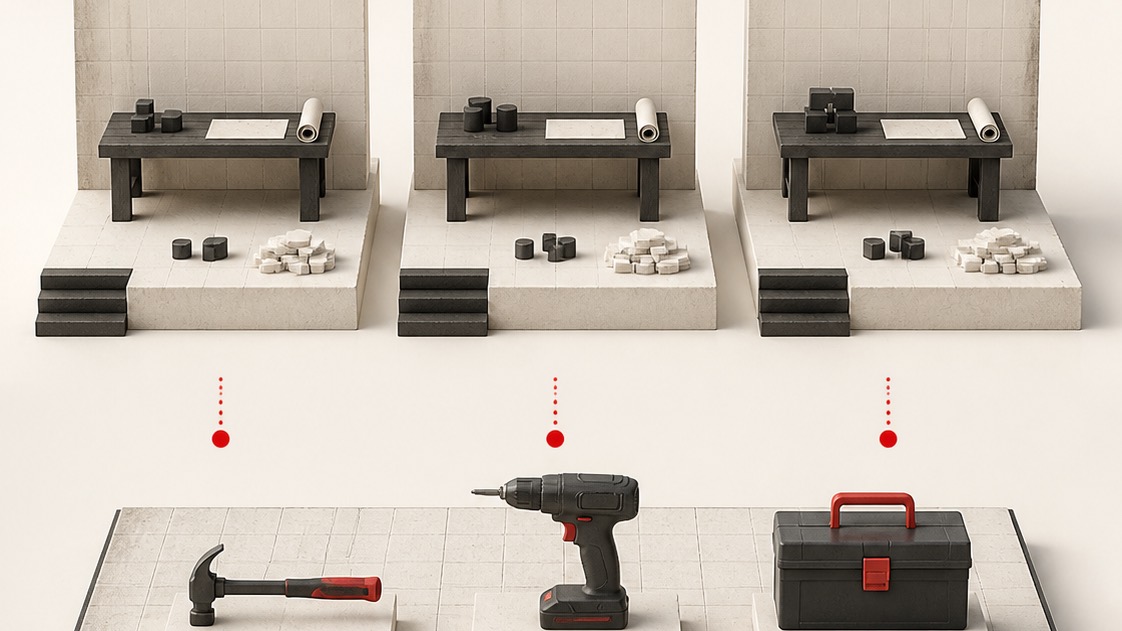
Three identical half-built workbenches, each starting again from the same pile of parts.

THREE WAYS IT RUNS

The same system, three sizes.

The rules never change: nothing sends itself, and the brain is files you own. What changes is who else is in the business with you.

One

Just you

One operator, one brain. The core install.

  • Opens every session already knowing the business, so you never brief it from scratch.
  • Drafts in your voice and logs as it goes, which is why tomorrow is sharper than today.
  • Nothing reaches a client until you have read it and said yes.

One build

Two

You and a co-founder

Two assistants, one shared brain, and no way to collide.

  • You each get your own. Private briefs, private drafts, private questions.
  • Both read the same shared files, neither writes to them, so you can never fork the truth.
  • The team gets simple apps for timesheets and job status. Nobody else opens a chat window.

One build per person

Three

Inside a bigger company

The same assistant, living in their building.

  • The engine runs in their own cloud, so the work never leaves the building.
  • Their IT cuts the keys: one mailbox, one folder. Never your full access.
  • At go-live we try the doors it has no keys to and show they don't open.

Built to what their IT approves

One honest note on the third: the model provider's automated safety checks can still see a flagged snippet, and Australian-only data residency isn't available yet. Both are true of every serious AI tool, and you should hear it from me rather than your IT provider.

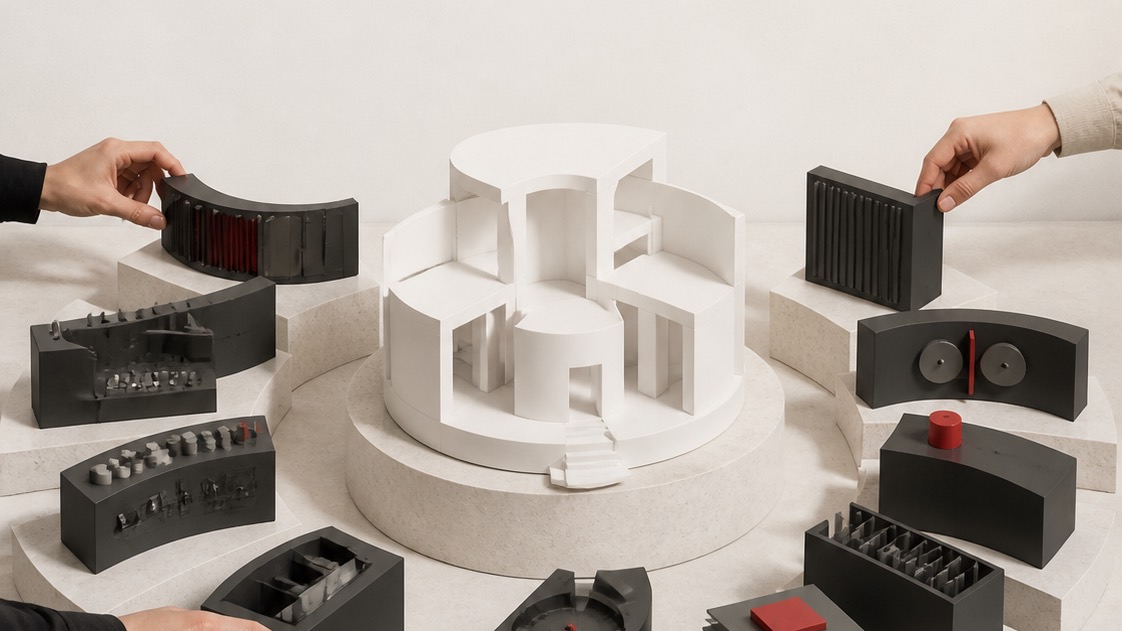
Adjustable modules being fitted around a stable architectural core.

WHAT YOU OWN

The models are rented. The system is yours.

Your rules, your prices, your voice and your history live in plain files on your own machine. When a sharper model arrives you point at it and keep everything. Most tools lose value the moment you buy them; this one compounds, because every correction banks into it. Someone could commission the identical build tomorrow and still not have your system.

After handover you pay the AI provider directly, not me. No retainer, no platform fee. The build is the last invoice I send unless you ask me back.

MY INVOLVEMENT, FADING We build it TOGETHER You take over THE CONTROLS You run it AND GROW IT
We build it with you, then hand over the controls. My job is to make myself unnecessary.

WHAT IT COSTS

The price, plainly.

$5,500 + GST
Per person. Four sessions, then two follow-ups.

Four sessions to build it, then two follow-ups once you're running it yourself. Architecture, skills and playbooks built around how you actually work, not a template. Everything you've already made gets folded in, and it all stays yours. Your only running cost is a Claude or ChatGPT subscription at the $100 a month tier.

BEFORE YOU BOOK

What the half hour actually looks like.

I share my screen and show you the system running my own two businesses, live. We map what yours would look like. There's no deck and no script, and there's no price reveal at the end, because the price is already on this page. Bring your hardest bottleneck and I'll show you how the system would take it. If it's not for you, you'll know inside the half hour, and that's a fine outcome for both of us.

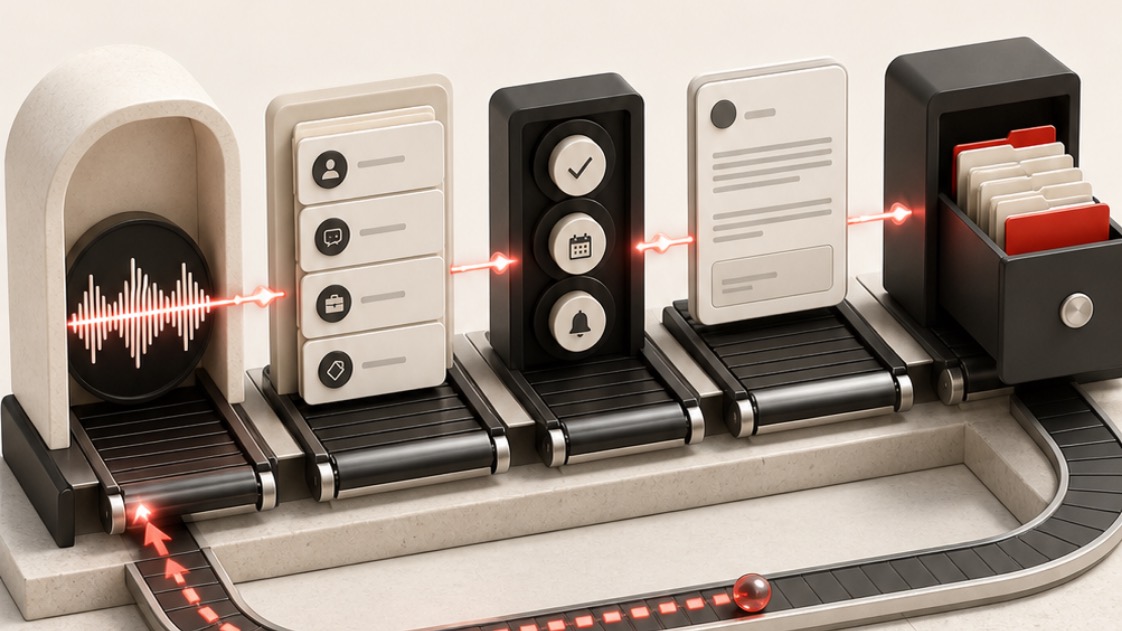
A spoken conversation moving along a line into context, actions and a filed record.

Straight answers.

I've tried this before and it didn't stick. Why is this different?

Because most people are told to start small, and small is where it dies. You build one tidy thing, it works, and it sits on its own with nothing to connect to, so the next thing starts from scratch again. That's not a discipline problem, it's an architecture problem. We start with the architecture, so the first thing you build has somewhere to live and the second one is faster because of the first. If you've already built things, they get folded in rather than replaced.

What's the catch?

The honest one is what happens two or three weeks in, when it clicks. People stop sleeping properly. You'll find yourself running six things at once because the cost of not building the idea you just had feels too high, and you'll cancel things you shouldn't. It passes, and what's left is a system built exactly the way you want it, but nobody warns you about that stretch and it's worth knowing it's normal.

Won't this be out of date in six months? AI moves fast.

The opposite. It isn't an app that ships once and dates. It's a set of instructions that runs on whatever the best model is that week, so when a sharper model lands, your system gets sharper the same day. No rebuild, no new invoice.

Where does my data live, and what can the system see?

The files live on your own machine, not on my servers or anyone's platform. When it works on something, the model reads what it needs in that moment, the same way text you paste into ChatGPT does, and you set the rules about what it can and can't touch. The harder version of this, what it might write down that you'd rather it forgot, is the next answer.

What about the things it shouldn't remember?

That worry has a precise shape, and it isn't hacking. It's the system quietly writing something down that a person would have had the discretion to forget. A client who mentions a death in the family. A staff member venting about a colleague.

Discretion here is a written rule you set, in plain language, during the build: what it may hold, what it must never write down, and what always needs your eyes before it goes anywhere. The rules live in a file you can open and read, and we decide up front where anything it writes lands, so a summary can't end up somewhere looser than the conversation it came from.

Two honest limits. A rule is only as good as the wording you give it, so we write yours together during the build and tighten it as we go. And nobody, me included, has solved every case of a system inferring something across records you've already given it. If your work carries obligations a written rule can't satisfy, listed-company clients or insurer conditions, this build isn't the right tool for that part of it, and I'll tell you that on the call rather than after the invoice.

What does it cost to run after the build?

The model subscription, paid to the AI provider at their standard rate. No retainer to me, no per-seat licence, no platform fee. If you never want to see me again after the fortnight, the system doesn't care.

Will it keep working while I'm away from the computer?

Some jobs run automatically, provided the machine running them stays on and awake. Other jobs run as a session you start and leave. We set up the right mode for each job during the build, so you know what runs on its own and what you start.

Do I need to be technical?

You won't be writing code. You should be comfortable with files, browser tabs, installing an application and following a setup checklist. If you already use ChatGPT or Claude most days and can explain how your business works, you're in the right range.

Am I locked in to you, or to one AI company?

Neither, by design. Everything sits in plain files you own, it can move to another model or harness with the system itself walking you through it, and there's no retainer holding you anywhere. My whole job is to make myself unnecessary.

THE NEXT STEP

Bring me your worst bottleneck.

Half an hour, on my screen, on whatever is eating your week. If it isn't for you, you'll know inside the half hour and that's a fine outcome.

Work piling up at a single narrow point, with one person standing in the gap.